

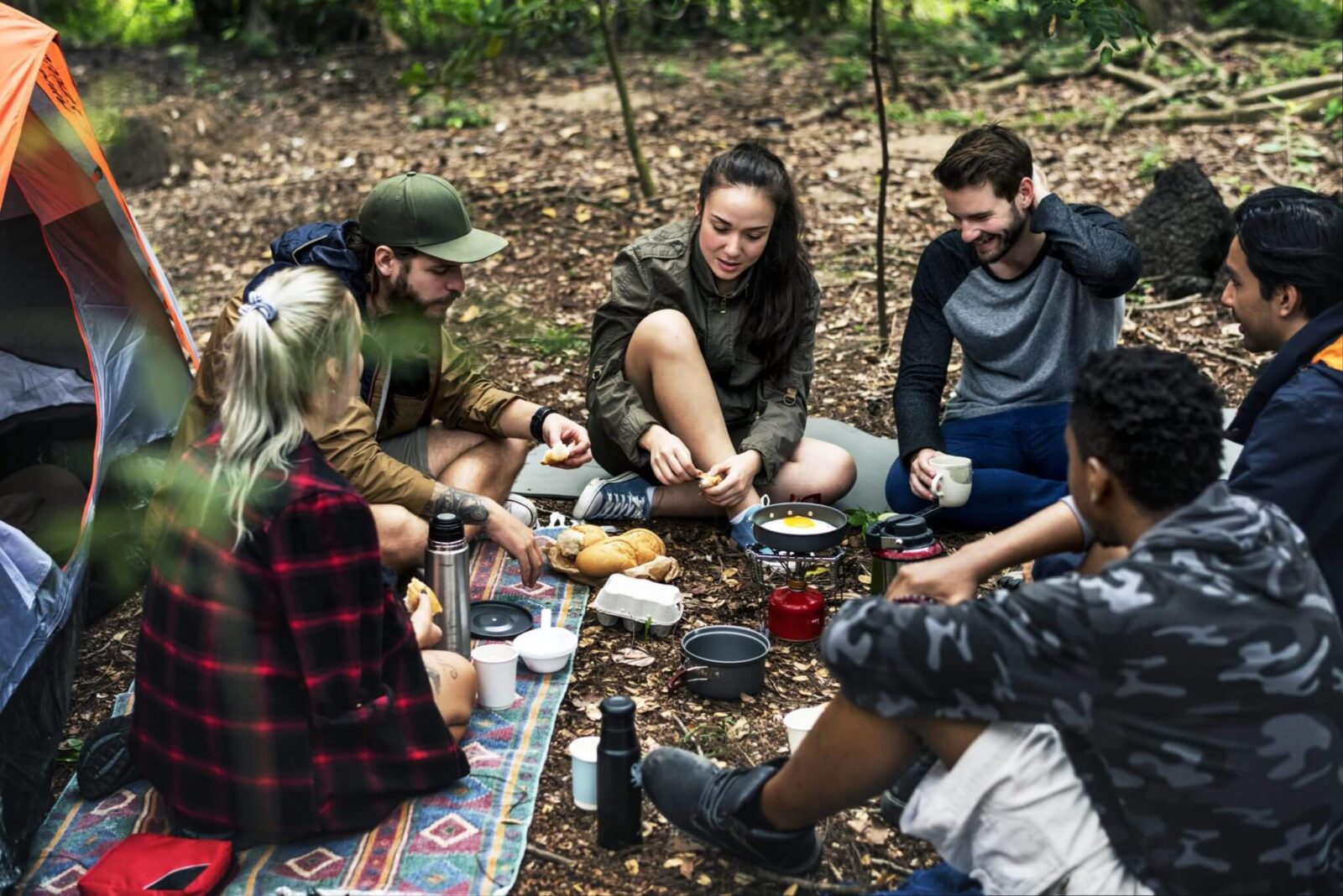
New Zealanders are pretty good at getting outside. We don’t always make a song and dance about it, but it’s there in the background of daily life — the hills on the horizon, the coast never far away, the quiet assumption that a “good weekend” probably involves fresh air.
What’s interesting, though, is how often our outdoor plans get tangled up in gear. Too much of it. Too many decisions. Too many things to pack, load, adjust, and second-guess.
Somewhere along the way, outdoor time starts to feel like project management.
I’ve been there. Overpacked car. Piles of equipment. That low-grade stress where you’re technically heading out for something enjoyable, but you already feel tired before you’ve even left the driveway.
What I’ve learned — slowly, and not without a few frustrating trips — is that simpler gear setups almost always lead to better outdoor experiences. Not because they’re minimalist for the sake of it, but because they remove friction. And friction is the quiet killer of good intentions.
Complexity Looks Impressive, Simplicity Feels Better
There’s a certain satisfaction in having all the gear. The right tool for every possible scenario. The backup plan for the backup plan.
But here’s the thing: complexity doesn’t always make outdoor trips better. Often, it just makes them heavier.
Every extra item adds:
- One more thing to pack
- One more thing to secure
- One more thing to worry about on the road
When your setup is simple and reliable, your attention shifts back to where it should be — the place you’re going, the people you’re with, and the reason you wanted to get outside in the first place.
I’ve noticed this especially with cycling. When getting the bike ready becomes a smooth, repeatable process — with an easy loading system like a vertical bike rack — it stops feeling like a decision. You just go. And that’s when habits form.
New Zealand’s Landscape Rewards Flexibility
One of the best things about New Zealand is how quickly the scenery changes. Mountains to coast. Forest to farmland. Remote roads that turn into something special if you’re willing to follow them.
That kind of landscape rewards flexibility, not rigid planning.
If your gear setup is complicated, you’re less likely to take detours. Less likely to stop on a whim. Less likely to say, “Let’s check that out.”
If it’s simple, you’re more open. You pull over. You explore. You let the day evolve.
The Department of Conservation often talks about encouraging New Zealanders to explore local tracks and conservation areas — not just the big-name destinations.
That kind of exploration is a lot easier when your setup doesn’t fight you.
Less Gear Means Less Mental Load
This part doesn’t get talked about enough.
Gear isn’t just physical — it’s mental. Every item you bring occupies a small corner of your attention. Is it secure? Did I pack it? Will it rattle loose? Is it in the way?
When your setup is streamlined, that mental noise drops away. You’re not running a checklist in your head while driving. You’re not worrying about what’s happening behind you on the motorway.
That calm matters, especially on longer drives or narrow roads where attention should be on the road, not on whether something’s shifted.
Waka Kotahi (NZ Transport Agency) highlights the importance of secure loads and clear visibility for safe travel.
Good setups reduce cognitive load as much as physical clutter.
Outdoor Time Is About the Experience, Not the Setup
It’s easy to forget this when gear culture gets loud.
Outdoor experiences aren’t improved by how much equipment you bring — they’re improved by how present you are while you’re out there.
Some of my best days outside involved:
- Fewer plans
- Fewer things
- A bit of space to wander
When your gear supports the experience instead of dominating it, you notice more. The weather shifts. The light changes. Conversations feel easier.
You’re not rushing to justify the effort it took to get there.
Why Simple Setups Make You More Consistent
Consistency is where outdoor habits really pay off.
It’s not the big, once-a-year adventure that changes how you feel long-term. It’s the regular, almost casual outings that become part of your rhythm.
Simple setups make those outings easier to repeat.
When packing takes five minutes instead of twenty, you’re more likely to head out after work. When loading is easy, you’ll go even if the weather isn’t perfect. When unpacking isn’t a hassle, you won’t dread the return home.
Over time, that ease adds up.
The New Zealand Factor: Weather Changes Fast
Anyone who’s spent time outside here knows this.
Conditions shift quickly. What looks fine at breakfast can turn sideways by lunchtime. Wind picks up. Rain rolls in. Plans change.
When your gear setup is simple, adapting is easier. You don’t feel locked into a plan because you’ve invested too much effort in getting everything ready.
You turn around when you need to. You switch activities. You call it early without feeling like you’ve “wasted” the day.
That flexibility is part of staying safe — and enjoying yourself.
Why Over-Optimising Often Backfires
There’s a temptation to optimise everything. Perfect layouts. Maximum capacity. The most efficient possible configuration.
But over-optimisation often creates brittleness. When something changes — weather, timing, energy levels — the whole plan falls apart.
Simpler systems are more forgiving. They bend instead of breaking.
You don’t need the perfect setup. You need one that works reliably most of the time and doesn’t demand constant attention.
A Quiet Shift Toward Intentional Choices
I’ve noticed a subtle shift among people who spend a lot of time outdoors here. Less obsession with owning more. More focus on making what they have work well.
That might mean fewer items, but better ones. Or just choosing setups that fit real life instead of idealised scenarios.
It’s not about minimalism as a philosophy. It’s about intention.
The Mental Health Foundation of New Zealand often highlights how regular time outdoors supports wellbeing, particularly when it feels accessible and pressure-free.
Simplicity lowers the barrier.
How Simpler Setups Protect the Experience
At the end of the day, gear exists to serve the experience — not the other way around.
When setups are complicated:
- Trips feel heavier
- Small issues become big frustrations
- Spontaneity disappears
When setups are simple:
- Decisions are easier
- Stress stays low
- The experience comes forward
That’s the difference.
Why This Approach Holds Up Over Time
Trends come and go. Gear evolves. New products appear every season.
But the principle stays the same: the easier it is to get outside, the more often you will.
Simplicity scales. It works when you’re busy. It works when you’re tired. It works when plans change.
And over years — not weekends — that’s what matters.
Why Simplicity Leaves More Room for What Matters
The best outdoor memories usually aren’t about gear at all.
They’re about:
- A quiet stretch of track
- A shared laugh
- A view you didn’t expect
- The feeling of being fully there
Simple gear setups make space for those moments. They don’t demand attention. They don’t steal energy. They just quietly do their job.
In a country like New Zealand — wild, varied, and constantly inviting you to step outside — that kind of simplicity isn’t boring.
It’s freeing.
And honestly, once you experience it, it’s hard to go back.