

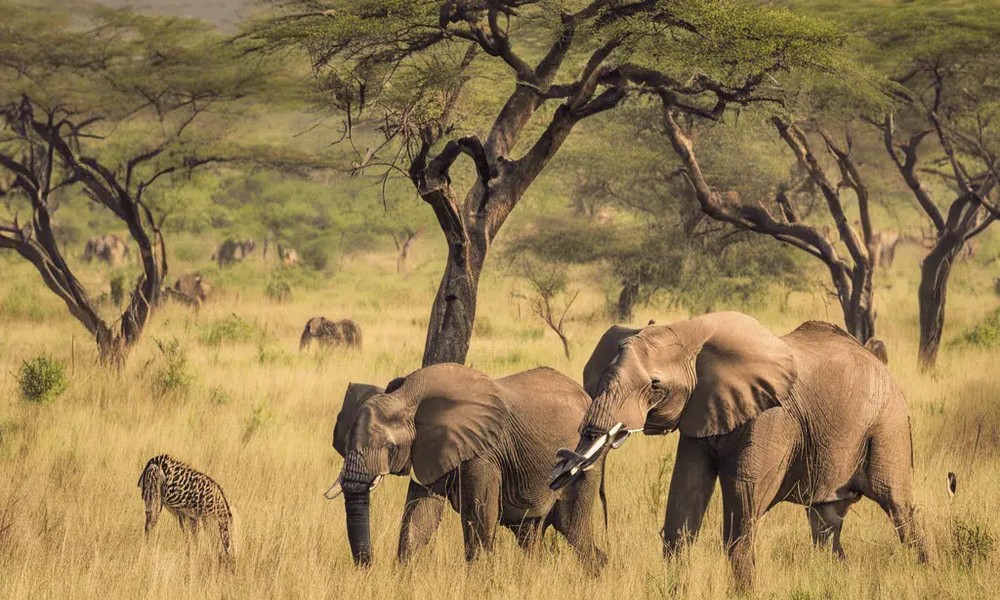
For many travelers, the phrase Safari Africa immediately brings to mind sweeping savannahs, iconic wildlife, and unforgettable encounters with lions, elephants, and giraffes. These images are powerful, but they only tell part of the story. Beneath the well-known scenes lies a deeper, more complex narrative shaped by culture, conservation, local communities, and lesser-explored landscapes.
If you are seeking more than the typical safari experience, there is a world of untold chapters waiting to be discovered. Safari Africa is not just about ticking off the “Big Five.” It is about understanding ecosystems, respecting traditions, and experiencing moments that rarely make it into brochures.
This article takes you beyond the familiar and into the overlooked dimensions of Safari Africa. It explores hidden perspectives, quieter destinations, and meaningful experiences that reveal a richer and more authentic connection to the continent.
Beyond the Big Five: Redefining the Safari Experience
The traditional idea of Safari Africa has long been centered on spotting the Big Five. While these animals remain a major attraction, focusing only on them can limit the depth of the experience.
There is an entire ecosystem at work beyond these iconic species. Smaller animals, birds, and plant life all play essential roles in maintaining balance within the environment. Observing these elements can provide a more complete understanding of the landscape.
Many seasoned travelers find that the most memorable moments are not always about large predators. Watching a quiet sunrise over the plains or observing a herd moving gracefully across the horizon can leave a lasting impression.
By shifting perspective, Safari Africa becomes less about a checklist and more about immersion.
The Hidden Landscapes of Safari Africa
When people think of Safari Africa, vast open plains often come to mind. However, the continent offers a wide range of landscapes that are less commonly explored.
Dense forests, wetlands, deserts, and mountainous regions all contribute to the diversity of safari experiences. Each environment supports different types of wildlife and offers unique opportunities for exploration.
For example, forested regions provide a more intimate and quiet experience, where sightings may be less frequent but often more rewarding. Wetlands offer a different rhythm, with water-based ecosystems attracting a variety of species.
These hidden landscapes remind us that Safari Africa is not a single environment but a collection of diverse ecosystems waiting to be understood.
The Role of Local Communities
One of the most overlooked aspects of Safari Africa is the role of local communities. These communities have lived alongside wildlife for generations and possess deep knowledge of the land.
Their involvement in conservation and tourism is essential. Many safari experiences are now designed to support local economies while preserving cultural heritage. This creates a more sustainable approach to tourism.
Engaging with local communities can add a meaningful dimension to a safari. Learning about traditions, daily life, and perspectives on wildlife can provide insights that go beyond what is seen on a game drive.
Safari Africa is not just about wildlife; it is also about the people who share the land with it.
Conservation Efforts Behind the Scenes
Modern Safari Africa is closely tied to conservation. While visitors may see the beauty of wildlife, there is often a significant amount of work happening behind the scenes to protect these ecosystems.
Conservation efforts include habitat preservation, anti-poaching initiatives, and research programs. These efforts are essential for maintaining biodiversity and ensuring that future generations can experience the same landscapes.
It is important to recognize that conservation is an ongoing process. Challenges such as climate change and human-wildlife conflict require continuous attention and adaptation.
Understanding these efforts can deepen appreciation for Safari Africa and highlight the importance of responsible travel.
The Quiet Moments That Define the Journey
While dramatic wildlife encounters often capture attention, it is the quieter moments that truly define a safari experience. These moments are less about action and more about connection.
A still morning, the sound of distant wildlife, or the gradual change of light across the landscape can create a sense of calm and reflection. These experiences are difficult to describe but are often the most memorable.
Safari Africa offers a rare opportunity to step away from fast-paced environments and reconnect with nature. This slower rhythm allows for a deeper appreciation of the surroundings.
These untamed chapters are not always visible, but they are felt in the moments of stillness.
Seasonal Changes and Their Impact
Safari Africa is not the same throughout the year. Seasonal changes play a significant role in shaping the landscape and wildlife behavior.
Rainfall patterns, temperature shifts, and migration cycles all influence what can be seen and experienced. Some seasons bring lush greenery and abundant water, while others reveal dry landscapes and concentrated wildlife activity.
Understanding these changes can help set realistic expectations and enhance the overall experience. It also highlights the dynamic nature of Safari Africa, where no two visits are exactly the same.
Each season tells a different story, adding depth to the journey.
Ethical Travel and Responsible Safaris
As interest in Safari Africa continues to grow, so does the importance of ethical travel. Responsible tourism ensures that wildlife and local communities are respected and protected.
This involves choosing experiences that prioritize conservation and minimize environmental impact. It also means being mindful of behavior, such as maintaining a respectful distance from animals and following guidelines set by guides.
Ethical travel contributes to the sustainability of Safari Africa, allowing it to remain a place of natural beauty and cultural significance.
Travelers play a role in shaping the future of safari experiences, making awareness and responsibility essential.
Lesser-Known Experiences Worth Exploring
Beyond traditional game drives, Safari Africa offers a range of experiences that are often overlooked. Walking safaris, cultural interactions, and guided explorations provide alternative ways to engage with the environment.
These experiences allow for a closer connection to the land and a deeper understanding of its complexities. They also offer a different pace, encouraging observation and reflection.
Exploring these lesser-known aspects can reveal new perspectives and enrich the overall journey. Safari Africa becomes not just a destination but a series of meaningful encounters.
Frequently Asked Questions (FAQ)
What is Safari Africa?
Safari Africa refers to wildlife-focused travel experiences across the African continent, where visitors explore natural landscapes and observe animals in their natural habitats.
Is Safari Africa only about the Big Five?
No, while the Big Five are popular, Safari Africa includes a wide range of wildlife, ecosystems, and cultural experiences.
What is the best time to visit Safari Africa?
The best time depends on the region and the type of experience you are seeking. Seasonal changes affect wildlife visibility and landscape conditions.
How can I make my safari experience more meaningful?
Engaging with local communities, learning about conservation efforts, and exploring less crowded areas can enhance your experience.
Is Safari Africa safe?
With proper planning and guidance from experienced professionals, Safari Africa can be a safe and rewarding experience.
What should I expect from a safari?
Expect a mix of wildlife sightings, natural landscapes, and moments of quiet reflection. Each safari experience is unique.
How does tourism impact Safari Africa?
Tourism can support conservation and local economies when managed responsibly. Ethical travel practices are essential for sustainability.
Conclusion
Safari Africa is far more than a collection of iconic wildlife encounters. It is a living, evolving story shaped by landscapes, communities, and conservation efforts. By looking beyond the familiar, travelers can uncover untamed chapters that offer a deeper and more meaningful connection to the continent.
From hidden ecosystems to quiet moments of reflection, these experiences reveal a side of Safari Africa that is often overlooked. They remind us that true exploration is not just about what we see but how we understand and appreciate it.
In embracing these perspectives, Safari Africa becomes more than a destination. It becomes a journey of discovery, respect, and lasting impact-one that continues to unfold with every visit.